
Motorcycle Inhibitors
How Councils Can Stop Motorbikes Using Footpaths and Public Rights of Way (PROW)
April 30, 2026
Motorbikes Using Footpaths and Public Rights of Way Is Becoming a Growing Problem
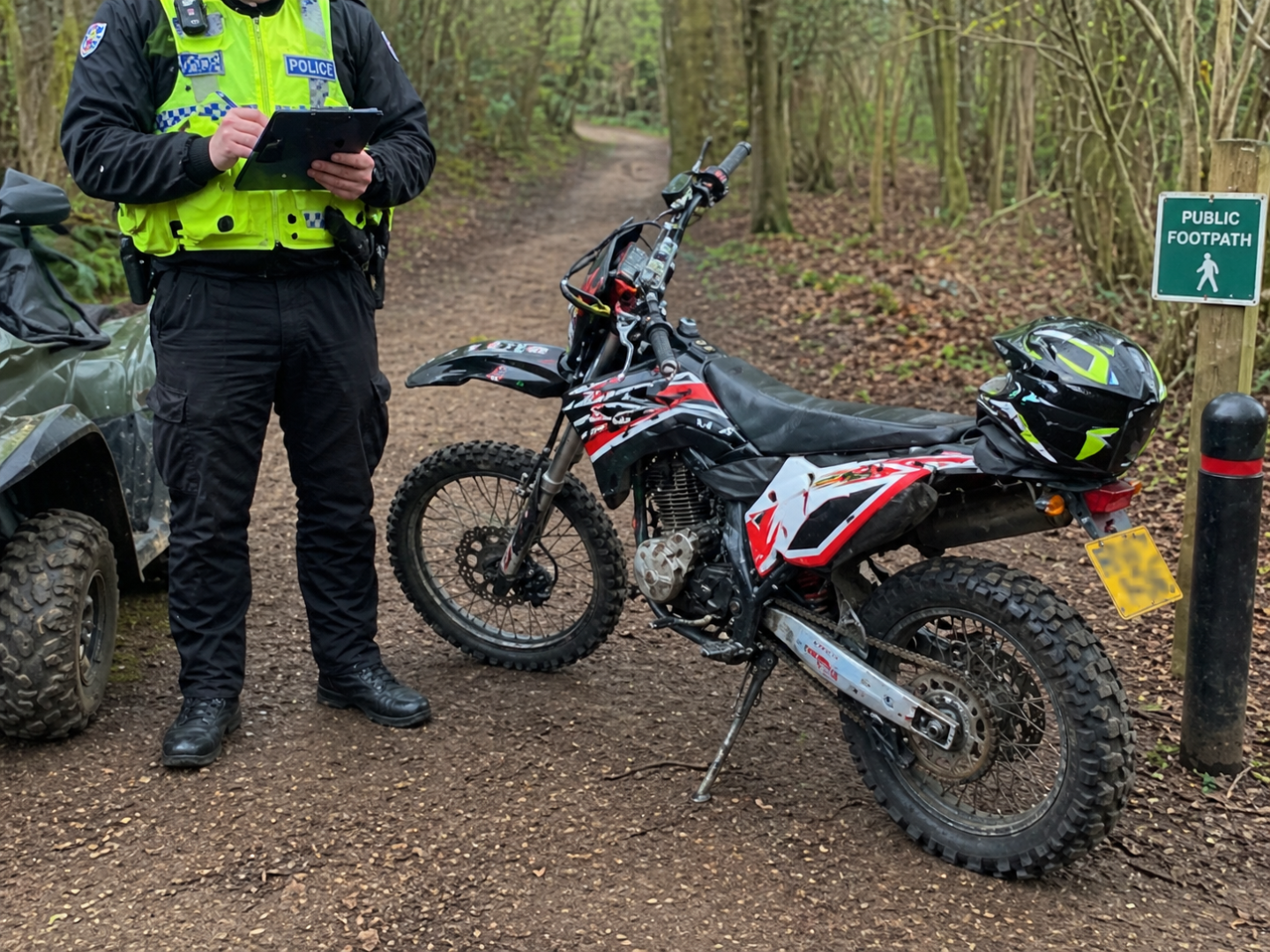
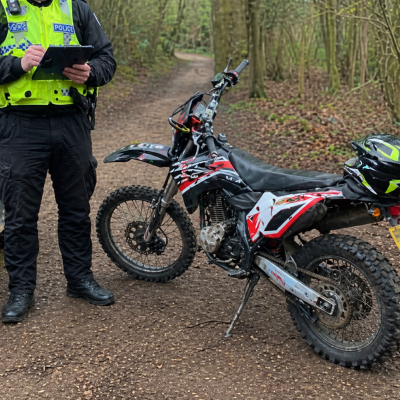
Unauthorised motorbikes using footpaths and public rights of way is a recurring issue for councils across the UK. It often starts small, then settles into a pattern. The same entry points get used repeatedly, complaints increase, and what was once occasional becomes part of the daily landscape.
At that point, it stops being a minor nuisance. It becomes a question of public safety, ongoing repair costs, and how effectively the space is being managed.
Why Motorbikes Using Footpaths and Public Rights of Way Creates Safety Risks
The safety risks are hard to ignore. Footpaths and public rights of way are designed for pedestrians, cyclists, families, and accessibility users, yet motorbikes regularly enter at speed and move through spaces not intended for vehicle access.
Near misses are common. Walkers can suddenly find themselves sharing narrow routes with off-road bikes or scooters travelling unpredictably through public areas. Elderly users, children, dog walkers, and wheelchair users are particularly vulnerable where visibility is limited or routes are enclosed.
For councils, the issue quickly becomes more than anti-social behaviour. Once motorbikes are repeatedly using footpaths and public rights of way, there is an increased risk of injury claims, complaints from residents, and pressure to demonstrate that practical action has been taken.
The Damage Caused by Motorbikes Using Footpaths and Public Rights of Way
The physical impact follows close behind the safety concerns. Grass is worn away, path edges begin to collapse, drainage suffers, and routes that were once well maintained start to deteriorate.
In green spaces and rural access routes, repeated vehicle use can leave deep tracks and damaged surfaces that become expensive to repair. Even newly resurfaced paths can quickly degrade when exposed to regular motorbike traffic.
Over time, this creates a steady drain on maintenance budgets, with the same areas needing attention again and again. In many cases, councils are left repeatedly repairing routes without addressing the access problem itself.
There is also a wider reputational issue. Spaces that appear damaged or poorly controlled can discourage legitimate public use, particularly for families and less confident users.
Why Enforcement Alone Rarely Stops Motorbikes Using Footpaths and Public Rights of Way
There is a predictable pattern to how the behaviour develops. Once access is easy, it spreads. Riders return to familiar routes, others follow, and the area becomes known locally as somewhere you can get through without restriction.
Enforcement can help at the edges, but it rarely changes that underlying dynamic. Patrols are temporary, police resources are limited, and riders often know the routes well enough to avoid intervention.
This is where many councils find themselves stuck. The issue is well understood, reports are logged, but the problem persists because the access itself remains open.
In practice, the most effective way to stop motorbikes using footpaths and public rights of way is to physically control the entry point. If riders cannot gain access easily, the route quickly becomes less attractive and usage typically drops off.
Preventing Motorbikes Using Footpaths and Public Rights of Way with KBarrier Systems
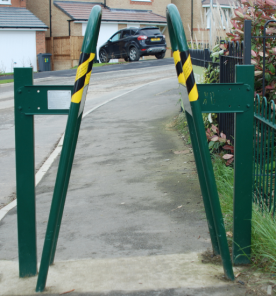
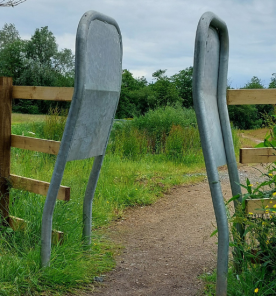
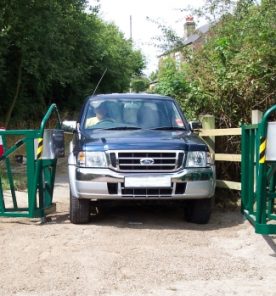
KBarrier systems are designed around this principle. They are installed at known access points to prevent unauthorised motorbike and vehicle entry, tackling the issue at its source rather than relying solely on enforcement.
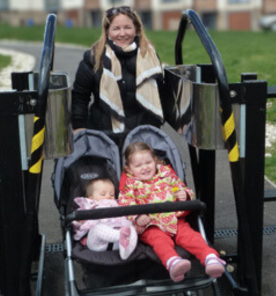
What makes the approach workable in public spaces is that it does not come at the expense of accessibility. Pedestrians, mobility scooters, wheelchair users, cyclists, and people with pushchairs can continue to move through without difficulty, which is critical for compliance and day-to-day usability.
For councils, this shifts the situation from reactive to controlled. Instead of repeated repairs, ongoing complaints, and pressure on enforcement, the focus moves to prevention. Public spaces remain open, but access is managed properly.
It also provides a clear and defensible step in managing risk. Where unauthorised vehicle access has been identified, putting appropriate control measures in place demonstrates that the issue has been addressed in a practical and proportionate way.
If motorbikes using footpaths and public rights of way continue despite reporting and enforcement efforts, the issue is unlikely to resolve on its own. In most cases, it comes back to the same point: if the route stays open, so does the problem.
Closing that gap is exactly what solutions like KBarrier are designed to do.
Related Products
Explore other solutions designed to complement your project. From durable outdoor structures to practical access and safety features, our range helps you create functional, long-lasting spaces.
Start Your Project Today
Quick to install, built to last and unbeatable in performance and value. Request a quote for bridges, boardwalks or any outdoor structure.