
Why We Use 100% Recycled Plastic – Not GRP – for Sustainable Bridge Decking and Boardwalks
July 24, 2025
At Bison Bridges, we design and install bridges and boardwalks that are built to last – and built responsibly. One of the key choices we’ve made is to use 100% recycled plastic for our decking systems instead of traditional alternatives like Glass Reinforced Plastic (GRP).
This decision isn’t just about performance—it’s rooted in long-term sustainability, ease of maintenance, and environmental impact.
♻️ 100% Recycled, 100% Recyclable
Our decking and boardwalk materials are made from post-consumer plastic waste—and they’re fully recyclable at the end of their life. That means:
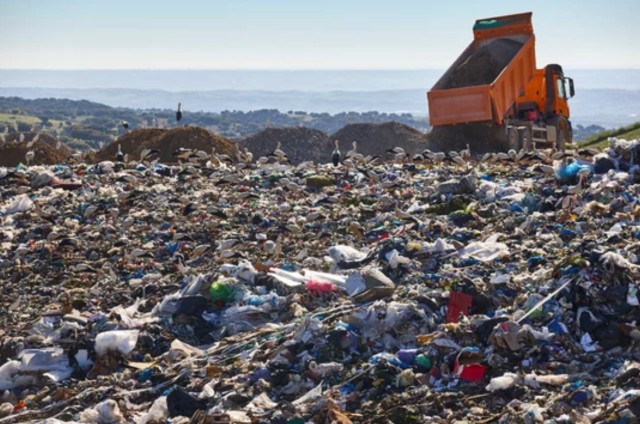
- We help reduce plastic pollution
- We divert waste from landfill
- We support a circular economy that keeps materials in use for as long as possible
With environmental concerns now at the heart of public and private infrastructure projects, using recycled plastic makes both ecological and economic sense.
Why We Don't Use GRP
GRP (Glass Reinforced Plastic) is commonly used in industrial settings for platforms and walkways. However, we’ve chosen to avoid it—for good reason:
- GRP is not practically recyclable. It's made from a mix of resin and glass fibre, which means it can't be easily melted down or repurposed.
- It becomes especially difficult to recycle when combined with other materials like anti-slip coatings or fixings—meaning it almost always ends up in landfill or incineration.
- Repairs are problematic. GRP is typically hollow—so if a section is damaged by a falling branch or cut during installation, the exposed hollow core makes it very difficult to repair or patch reliably.
- While GRP has a high strength-to-weight ratio, it can crack or splinter under impact, and often needs extra surface treatment to be slip-resistant.
- It is manufactured using virgin petrochemical materials and requires high energy inputs, contributing to its carbon footprint.
GRP vs. 100% Recycled Plastic: A Clear Comparison
FeatureGRP100% Recycled PlasticRecyclability❌ Not recyclable in practice✅ Fully recyclableSustainability❌ Virgin materials, high energy use✅ Made from recycled wasteEnd-of-Life Impact❌ Landfill or incineration✅ Circular economy compatibleDurability✅ Durable, but brittle✅ Highly durable, impact-resistantSlip Resistance⚠️ Requires surface treatment✅ Naturally textured for gripMaintenance✅ Low, but may need resurfacing✅ Minimal, no staining or paintingRepairability❌ Difficult—hollow core issues✅ Easy to cut, replace, or refitAesthetic Range✅ Customisable shapes⚠️ Typically Brown, black or greyCost (Life-Cycle)⚠️ Higher long-term cost✅ Cost-effective and lasting
Built to Last—and to Be Reused
Our 100% recycled plastic products are:
- Rot-proof, UV-resistant, and frost-proof
- Slip-resistant, even when wet or muddy
- Strong enough for foot traffic, cyclists, and light vehicles
- Virtually maintenance-free, saving time and money over their lifespan
And when they do eventually reach the end of their service life? They can be recycled into new decking, bollards, fencing, and more—closing the loop.
The Right Choice for Sustainable Infrastructure
Many of our bridge and boardwalk projects are located in protected landscapes, nature reserves, and community green spaces—where long-term environmental impact matters. We believe it’s our responsibility to make decisions that align with those values.
That’s why Bison Bridges chooses 100% recycled plastic: because it’s better for the planet, better for our clients, and better for future generations.
Let's Build Responsibly
If you’re planning a project and want to combine durability with true sustainability, talk to us about recycled plastic decking options. We’ll help you make the smart, future-proof choice—without compromise.
Contact Bison Bridges today to find out more.
Start Your Project Today
Quick to install, built to last and unbeatable in performance and value. Request a quote for bridges, boardwalks or any outdoor structure.