
A few crossed wires: Why chicken wire fails on bridge decks
February 21, 2023
Chicken Wire on Bridges and Boardwalks: Why It Doesn’t Work (and What to Use Instead)
Chicken wire is sometimes stapled over timber bridge and boardwalk decks to add grip when boards turn green and slippery. It’s cheap and quick to fit, but on a public route it rarely lasts – and once it starts to fail, it creates more hazards than it solves.
This guide explains the problems with chicken wire on decking and the longer-lasting anti-slip options for footbridges, cycle bridges and boardwalks.
[Rank Math Table of Contents block here]
Why do people put chicken wire on decking?
Timber decks in shaded, damp or waterside locations grow algae and collect wet leaves, which makes them slippery. Chicken wire gives the foot something to catch on, so it’s often used as a temporary fix on:
- Woodland and riverside footbridges
- Boardwalks across wetland and nature reserves
- Ramps and sloping approaches
- Jetties and viewing platforms
The problems with chicken wire on bridges and boardwalks
It can’t take regular foot traffic
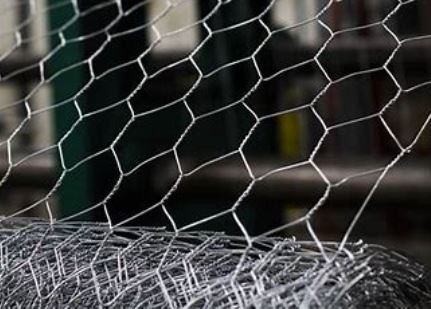
Chicken wire is a lightweight fencing mesh, not a walking surface. Under regular footfall, bikes and maintenance vehicles, the thin wire fatigues and breaks – especially outdoors, where it’s constantly wet.
Broken wire becomes a trip hazard
Once strands snap or staples pull out, the mesh lifts at the edges and ends. Loose wire can catch toes, wheels and walking aids, which is a particular risk on accessible routes. See our guide to wheelchair accessible bridges.
Rust and sharp ends
Galvanised coatings on thin wire wear away quickly. Rusty, broken ends can cut hands and legs – and become a liability for the asset owner.
It traps dogs’ paws
The open hexagonal gaps are the right size to catch a dog’s claws and paws, which can lead to injuries on popular dog-walking routes.
It hides the deck and adds maintenance
Mesh traps leaves and debris, holds moisture against the timber and makes it harder to inspect boards for rot. It also needs regular checking, re-stapling and replacing. Our footbridge inspection guide covers what owners should be checking.
Re-Life40 recycled plastic decking
Re-Life recycled plastic deck boards won’t rot, split or absorb water, so they don’t hold the algae growth that makes wet timber slippery. Re-Life40 is rated for pedestrian and cycle bridges and boardwalks. Compare costs in timber vs recycled plastic boardwalks.
GripMaxx™ anti-slip decking
For the most demanding sites, GripMaxx anti-slip decking achieves 94 PTV wet in pendulum testing – well above the 36 PTV threshold for low slip potential.
SureGrip Duo
SureGrip Duo deck boards provide an anti-slip surface for replacing worn or slippery decking. Ask us for samples.
Replacing a slippery deck
If your bridge or boardwalk needs chicken wire to be safe, it may be time to replace the deck rather than patch it. Bison decks sit on hot dip galvanised bridge beams with a range of eco-friendly bridge materials. Start with how to measure a bridge crossing and choosing your bridge, browse our case studies, or download technical details from the Specification Hub.
Call us on 01530 242 405 or contact us for samples and advice.
Start Your Project Today
Quick to install, built to last and unbeatable in performance and value. Request a quote for bridges, boardwalks or any outdoor structure.